Contents
The thrill of the crowd, the roar of the commentator, and the mesmerizing dance of skill on the green pitch – the magic of soccer captivates millions of fans worldwide. Yet, for newcomers, navigating the basic rules can be like deciphering a foreign language. One of the most fundamental questions, especially for those just starting, is: how many players are on the field in soccer?
The Core Rule: 11 Players Take the Field
Unveiling the mystery, each team in a soccer match boasts 11 players on the field at any given time. This includes:
- 1 Goalkeeper: This crucial figure, adorned with jersey number 1, acts as the team’s last line of defense, guarding the goal and preventing the opposing team from scoring. Their agility, reflexes, and strategic positioning are vital in securing victories.
- 10 Outfield Players: These players, sporting jersey numbers 2-11, occupy the remaining field. They work together to attack, defend, and orchestrate the flow of the game. Their roles vary based on their positions, demanding a diverse skillset encompassing passing, dribbling, and tactical awareness.
Substitutions and the Team Bench:

The game doesn’t stop at the starting eleven. Most competitions allow for substitutions, introducing fresh legs and tactical adjustments during the match. This allows teams to respond to fatigue, injuries, or change their approach strategically. The number of substitutions permitted varies depending on the competition, typically ranging from three to five. These players, along with additional squad members, make up the team’s bench.
The Referee: Maintaining Fair Play, Not a Player

While present on the field, the referee and their assistants are not considered players. They are neutral officials responsible for enforcing the rules, ensuring fair play, and maintaining order throughout the match. Their decisions can significantly impact the game’s outcome, making them crucial figures in maintaining the integrity of the sport.
Understanding Player Numbers: Beyond Recognition
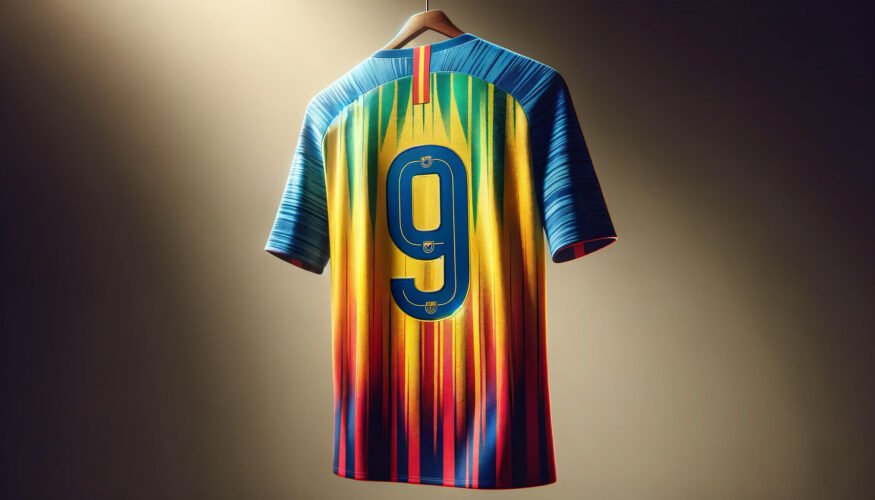
Each player on the field wears a numbered jersey, typically ranging from 1 (goalkeeper) to 11. Knowing these positions and their corresponding numbers goes beyond merely recognizing individual players.
It helps you decipher the formation being employed, visualize player movements, and understand the team’s strategy.
This knowledge enhances your viewing experience, allowing you to appreciate the intricate tactical nuances unfolding on the field.
Beyond the 11: Exploring the Diverse Forms of Soccer
While the traditional 11-a-side format reigns supreme in professional soccer, the beautiful game extends beyond the confines of a full-sized pitch and standard team size. Numerous variations have emerged, catering to different preferences, skill levels, and participation needs. Let’s delve into the diverse forms of soccer, each offering a unique twist on the sport we love:
1. Five-a-Side Soccer (Futsal):
- Players: 5 players per team on the field (excluding goalkeepers).
- Field: Played on a smaller, hard court with shorter boundaries compared to a traditional pitch.
- Gameplay: Faster-pace and more technical due to the smaller playing area. Emphasizes quick passing, dribbling skills, and creativity in tight spaces.
- Popularity: Widely popular, particularly in regions with limited space or resources. Recognized by FIFA, with international competitions regularly held.
- Players: 6 players per team on the field (excluding goalkeepers).
- Field: Played on a slightly larger field than futsal courts, often utilizing artificial turf.
- Gameplay: Strikes a balance between the fast-paced nature of futsal and the structure of 11-a-side soccer. Offers opportunities for tactical play while maintaining an emphasis on technical skills and agility.
- Popularity: Popular in various regions, particularly at recreational and amateur levels. Often used in corporate leagues and social events.
3. Beach Soccer:
- Players: 5 players per team on the sand (excluding goalkeepers).
- Field: Played on a sandy beach, often with custom-made boundaries.
- Gameplay: Unique and exciting due to the soft playing surface, requiring adjustments in movement, passing, and shooting techniques. Emphasizes improvisation, athleticism, and aerial skills.
- Popularity: Gaining popularity worldwide, particularly in coastal regions. Known for its vibrant atmosphere and beachside setting.
4. Indoor Soccer:
- Players: Varies depending on the specific format, typically ranging from 5-a-side to 7-a-side (excluding goalkeepers).
- Field: Played on an indoor court with artificial turf or a similar surface.
- Gameplay: Similar to futsal or six-a-side soccer, but the specific rules and regulations might differ depending on the organizer or league.
- Popularity: Popular option for year-round play, offering an alternative to outdoor games during unfavorable weather conditions.
5. Walking Soccer:
- Players: Varies depending on the specific format, typically resembling traditional team sizes (adjusted for walking instead of running).
- Field: Played on a standard or slightly smaller soccer field.
- Gameplay: Designed for individuals who prefer a more relaxed and low-impact version of the sport. Running is not allowed, emphasizing walking, passing, and strategic positioning.
- Popularity: Growing in popularity amongst older adults and individuals seeking a gentle form of exercise with a social element.
6. Head-to-Head Soccer:
- Players: 2 players per team (excluding goalkeepers).
- Field: Played on a small, enclosed court with a smaller goal compared to traditional formats.
- Gameplay: Highly technical and fast-paced, demanding quick reflexes, dribbling skills, and precise shooting. Offers a unique challenge and requires strategic thinking.
- Popularity: Emerging format, gaining traction in certain regions and offering a competitive option for smaller groups.
Remember: This list is not exhaustive, and numerous other variations of soccer exist, catering to diverse preferences and playing environments.
Additional Tips for Aspiring Soccer Enthusiasts:
Now you know how many players are on the field in soccer, you on your way to becoming an expert so here’s a few more things for you to look at next:
- Watch professional matches: Immerse yourself in the game, observe player movements, and witness different formations in action.
- Play the game yourself: Experiencing soccer firsthand allows you to grasp the challenges and tactics involved.
- Engage with the community: Discuss the game with friends, family, or online forums to gain different perspectives and insights.
- Learn the rules of soccer: Dig a bit deeper and open up the rulebook yourself!
By actively exploring these avenues, you’ll not only understand how many players are on the field in soccer, but also unlock the true depths of this captivating sport, allowing you to appreciate and celebrate the beautiful game in all its glory.
Conclusion:
Exploring different forms of soccer allows you to experience the beautiful game in various ways. Whether you seek a fast-paced and technical challenge in futsal, the unique thrills of beach soccer, or a more relaxed option like walking soccer, there’s a format waiting to be discovered.
So, lace up your boots, gather your friends, and get ready to experience the joy of soccer in a new and exciting way!
Leave a Reply